

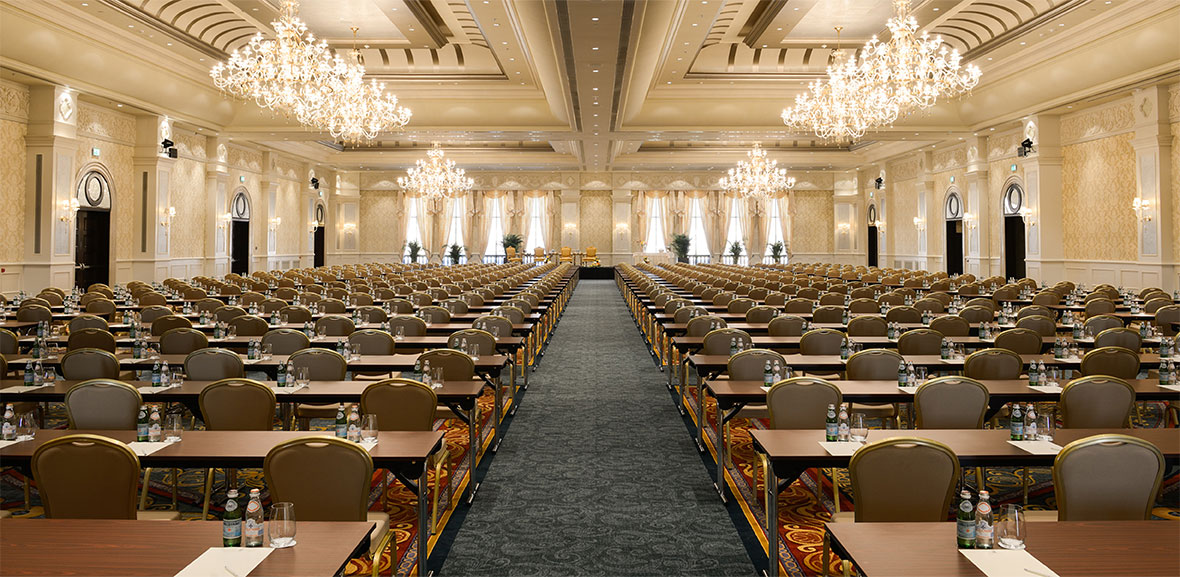
In the fast-paced world of hospitality, efficiency is everything — especially when managing back-to-back events. Intermetal’s Banquet & Conference Furniture is purpose-built to meet these demands, offering a smart solution that blends durability, versatility, and functionality. Designed and manufactured at our UAE-based facility, each table and chair is crafted with precision to deliver lasting performance and effortless style.
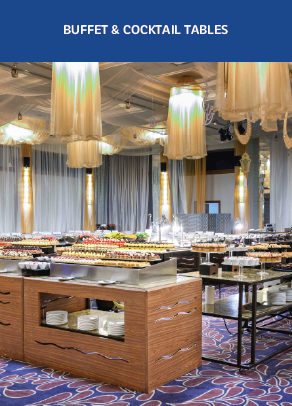
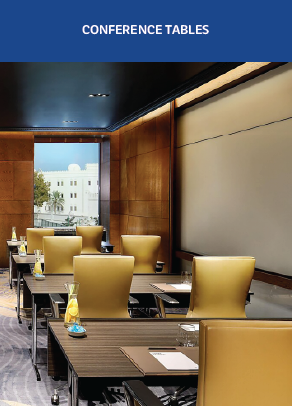
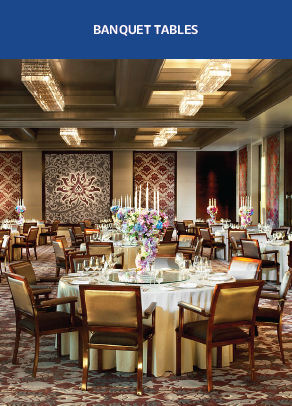
Our diverse collection of hospitality contract tables includes buffet tables, folding tables, and conference tables, available in a wide variety of shapes, sizes, and materials to suit any space or style. Built to meet rigorous commercial standards and crafted for heavy-duty use, our tables are designed to perform in demanding hospitality environments.
Trusted by owners, operators, consultants, and interior designers alike, our range combines durability with thoughtful design, making it the preferred choice for hotels, restaurants, and event spaces. From flexible folding solutions to refined buffet and conference settings, our tables are designed to elevate every hospitality experience.
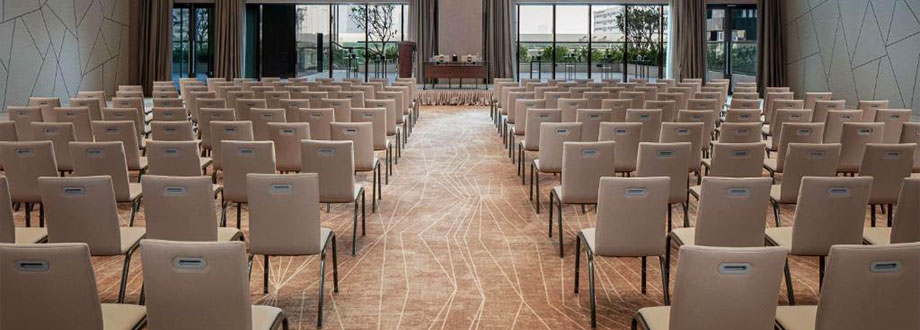
Built with sturdy yet lightweight frames, Intermetal’s banquet and conference chairs offer comfortable ergonomic support. Our comprehensive selection ranges from contemporary to updated classic designs, providing a wide variety of options to choose from. Their stackable design maximizes storage, and can be easily transported using our chair trolley, enabling quick transitions between events.